
Most of us weren’t in the room for the Sport Fishing Championship League Meetings, but that doesn’t mean that some important decisions were made. Maybe you’ve heard the headlines about a grand slam bonus, tighter video review, and the continuation of the hook-and-hand rule. But since rulemaking is very similar to making sausage, understanding how we got here, and, more importantly, how it will affect your favorite team is critical.
First there are rules decisions that will have an impact of competition on the water.
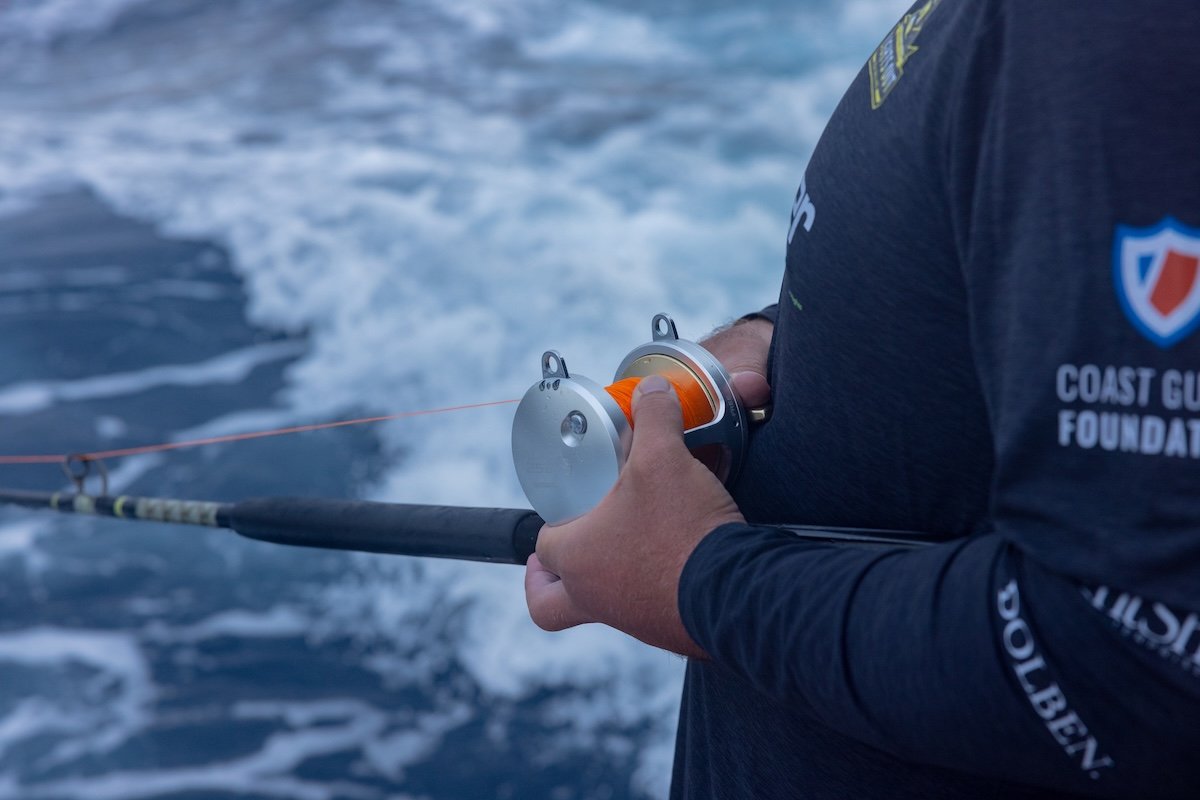
1. The league is keeping Hook-and-Hand, which refers to a mate hooking the fish and then handing the rod to an angler to fight the fish and reel it in. This is not a small decision, since there was real momentum behind moving SFC closer to the IGFA-style rules that say anglers must hook and fight their own fish, but the vote didn’t reach the supermajority threshold. The league says it is building a team sport where performance can be optimized by using personnel where their skills have the most impact. By this thinking, team owners can deploy their team to fire on all cylinders—mate on the bite, pro on the rod, tactician in the tower—and dial in the strategy.
That said, the goal is to be elite competitors in the world of sportfishing. Hook-and-hand is believed to have evolved from charter anglers who couldn’t learn the complexity of feeding a billfish in their short window of fishing opportunity. Any angler knows, at any level of the sport, that the moment when a hit becomes a hooked fish is the essence of the sport.
“I’m not sure everyone understands why the angler hooking the fish themselves is such a big deal,” said Capt. Rob Carmichael, owner of the Viking 62 Lights Out. “When you're trolling a ballyhoo at 8 knots and a billfish paddles up behind the bait, maybe it just taps it or maybe it absolutely hammers it, the angler must feel or see that and react instantly. You're dumping line in free spool, trying to get as close to a backlash on the reel without actually having a backlash, line blowing off the rod, because the fish thinks it's just stunned its prey. If the billfish feels any pull or resistance it's going to spit the bait. Once the angler believes the fish has positioned the bait and actually swallowed it, they can bring the reel drag up, maybe reel if necessary, and hope the circle hook sets in the fish's jaw. There is a lot going on in those few seconds, coming tight to the fish is a huge moment. I've said it before: For the league to be considered the best of the best…we need to create the rules and a platform to support that claim.”
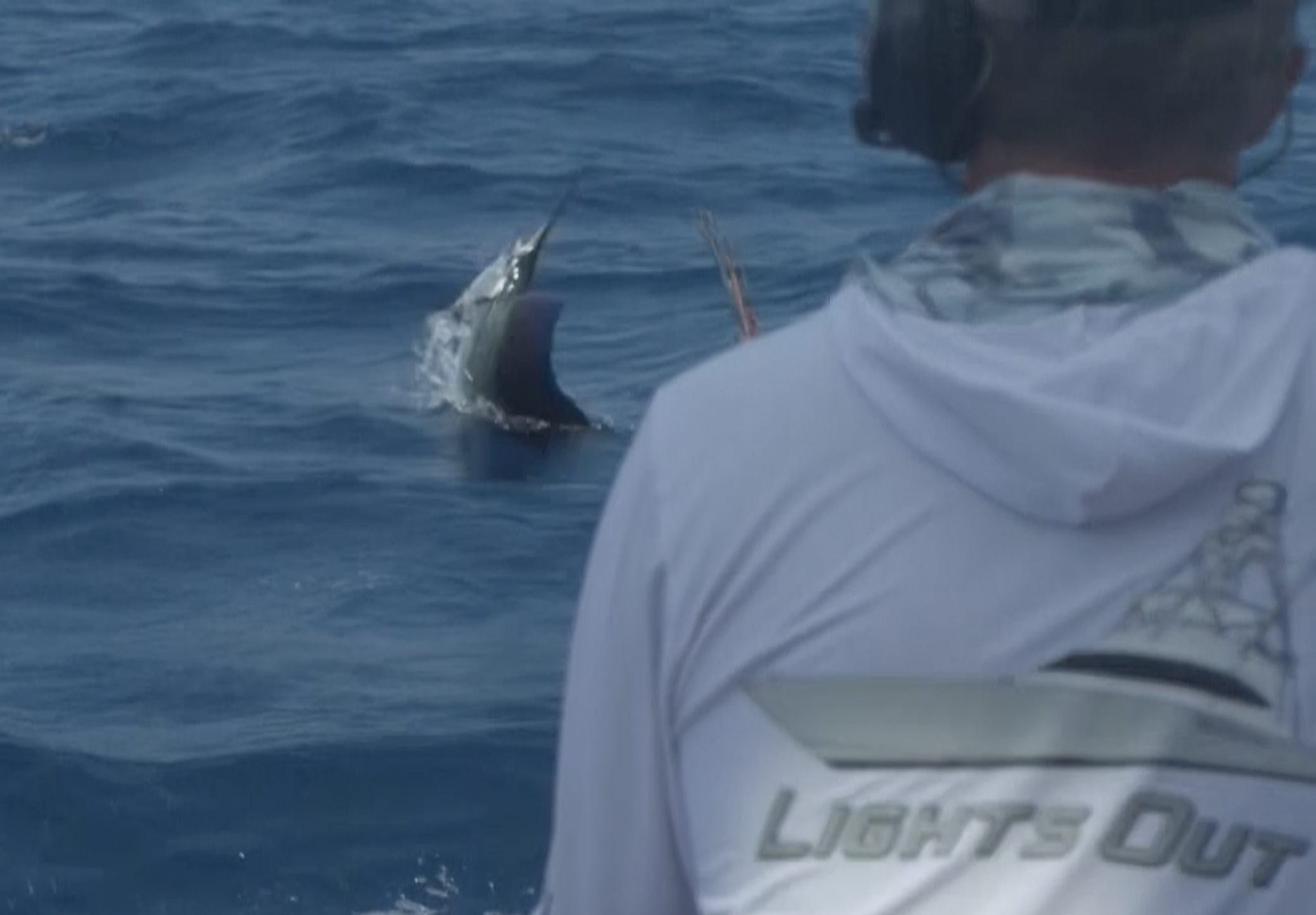
2. The new grand slam bonus is like adding a three-point line to the competition. Releasing three billfish species in a single event gets a 200-point bones. Some teams may change their strategy and rethink their approach. The thinking is that a boat won’t stay on a hot bite, and may range farther, change up their trolling tactics, and take more risks when standings get tight. A slam could turn the tide on a tournament—and the whole season.
3. Video verification is not going away. A centralized official reviewing release footage—and the potential for secondary proof—confirms all the scoring. As SFC grows, so does scrutiny from fans, sponsors, and rival teams. The league expects fewer gray areas and more hard calls. It’s good for credibility, even if it occasionally stings a team in the heat of competition. “We’re sure everyone is trying to win the right way,” Carmichael says. “But mistakes can happen incredibly fast and the video review policy is the best way to maintain the integrity of the rules”
Beyond the on-water rules, the league is changing some structural elements.
4. Money talks. Commissioner Mark Neifeld confirmed plans to push the minimum league purse north of $3 million for 2026, raising the figure by nearly a million dollars. Running a competitive boat and crew is expensive, and the SFC is telling teams and investors it’s serious about ROI and legitimacy. “The league is investing in success and building on the great competition that has emerged after last season,” says Drew Dolben, team owner of Lights Out Boston. “We need to strike while the bite is hot, and this is just that.”
5. Expansion is in the air. No additional new teams are confirmed yet, but there are active conversations. The result could be more regional rivalries and more local sponsors, and wider reach. Beyond new teams, we’ve heard about the possibility—still very early—of a third division and even international leagues carrying the brand. “The ambition of the plan is the point,” Dolben says. “No owner got into this league for it to stay at the level it is. We all want to build something to last.”
So what does all this mean for 2026? The rule changes may reward more aggressive on-water tactics. The structural changes will indicate how whether SFC can achieve its big-league vision—but only time will tell.